


Understanding natural and synthetic rug fibers revolves around their inherent qualities and impacts on design. Natural fibers, like wool and jute, offer durability, eco-friendliness, and luxurious textures, while synthetic options, such as nylon and polypropylene, provide affordability and easy maintenance. Wool excels in temperature regulation, retaining warmth in winter months and providing breathability during summer. The choice between these fibers greatly influences aesthetics, longevity, and environmental footprints. Explore how the characteristics of each type can enhance your home’s style and comfort.
Key Takeaways
- Natural fibers are eco-friendly, biodegradable, and offer durability, while synthetic fibers provide affordability and vibrant colors.
- Wool rugs can last over a decade, whereas synthetic options typically last 2 to 3 years.
- Natural fiber rugs enhance indoor air quality, as they are hypoallergenic, unlike many synthetic alternatives.
- Synthetic rugs are easier to clean, stain-resistant, and better suited for high-traffic areas compared to natural fiber rugs.
- Cost-analysis shows natural rugs may be pricier upfront but offer better longevity, emphasizing long-term value over time.
Understanding Types of Fibers
Rug fibers serve as the foundation for a rug’s overall design and functionality, considerably influencing its appearance and performance. Natural fibers, derived from plants or animals, such as wool and jute, present eco-friendly options that are often durable and luxurious. Conversely, synthetic fibers like nylon and polyester offer vibrant colors and affordable alternatives, renowned for their resilience and low maintenance. Remarkably, Triexta, an innovative fiber crafted from corn glucose, highlights a blend of eco-friendliness and durability, marrying modern needs with a renewable resource. Each fiber type considerably impacts not only a rug’s aesthetic and texture but also its longevity, stain resistance, and environmental footprint, making an informed choice essential for both style and practicality in modern interiors. Additionally, OEKO-TEX certified sheets assure safety for sensitive skin and use eco-friendly materials, making them a great choice for environmentally conscious consumers.
Advantages of Natural Fiber Rugs

While considering the diverse landscape of interior design, one cannot overlook the myriad advantages that natural fiber rugs offer. Crafted from sustainable materials like wool, cotton, and jute, these rugs promote eco-friendliness while greatly reducing environmental impact. Wool rugs, known for their durability, often last over a decade, presenting a cost-effective solution despite higher initial investments. In addition, natural fibers are hypoallergenic, enhancing indoor air quality by minimizing allergens. The aesthetic appeal of natural fiber rugs is remarkable, as they come in various textures and colors, enriching any living space. Moreover, many, especially wool, possess moisture-wicking properties, helping to maintain comfort in diverse climates, making them both functional and stylish choices for homeowners and interior designers alike. Many modern rugs, such as the Unique Loom Barista collection, are crafted from durable materials to ensure long-lasting use and easy maintenance.
Recommended Products


Advantages of Synthetic Fiber Rugs

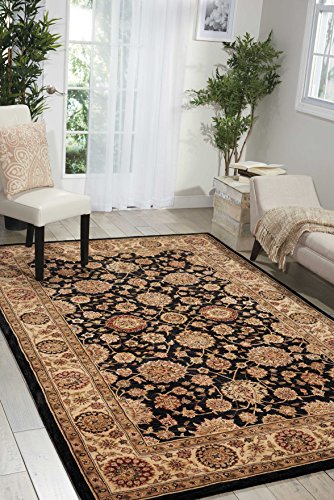
In the vibrant world of interior design, synthetic fiber rugs present an appealing alternative to their natural counterparts, offering a unique blend of practicality and style. Synthetic rugs are often more affordable, ranging from $3 to $7 per square foot, making them budget-friendly options for homeowners. Their stain-resistant surfaces make them easy to clean, which is particularly beneficial in households with children and pets. Additionally, these durable and easy-to-maintain rugs excel in high-traffic areas, resisting mold and mildew due to their moisture-blocking materials. Many synthetic options are also UV-resistant, retaining their vibrant colors even in outdoor spaces. Overall, synthetic fiber rugs prove to be versatile choices, combining functionality with aesthetics for diverse interior design needs. For optimal performance, regular maintenance and care are recommended, such as periodic cleaning and proper placement, to ensure the longevity and appearance of synthetic rugs.
Recommended Products

PERFORMANCE :Made of high quality synthetic material, Superior resilience and durability, rubber backed with drainage hole,can be dry quickly.

Deluxe Artificial Grass: Cestavie turf of upgraded and thickened new version with 1.5 inch pile height, high-density and ‘C’-shaped blades and curled base fibres give this grass an amazing feel under foot that easily bounces back into shape. The fibres are made from stain-resistant and UV resistant properties which ensure no fading. 4-layer structured faux grass provides better wear and tear resistance.

Power-loomed in Turkey of polypropylene and Acrylic, landscape features a plush, durable pile designed to withstand heavy foot traffic in any room for years to come.
Durability and Longevity Comparison
When evaluating durability and longevity in rugs, one must consider the significant differences between natural and synthetic fibers. Wool, a prime example of natural fibers, boasts a lifespan of over a decade due to its natural durability, contrasting with synthetic options like polypropylene, which often require replacement within 2-3 years. High-quality construction techniques in natural rugs inherently enhance their longevity. While nylon exhibits notable durability and is suitable for high-traffic areas, it typically does not match the lifespan of wool. Natural fibers like cotton excel with better longevity compared to silk, while jute and seagrass demand more maintenance. Consequently, natural fiber rugs generally provide superior durability and longevity, showcasing an impressive resilience that appeals to discerning designers and homeowners alike. Additionally, energy efficiency of grow lights can significantly impact indoor plant health, demonstrating how the right choices in home decor and utility can enhance both aesthetics and functionality.
Recommended Products

100% Natural Wool: The rug is crafted entirely from natural wool, a soft and durable material known for its comfort, resilience, and stain-resistant properties.

100% NATURAL WOOL: Expertly hand-tufted in INDIA with 100% authentic natural wool for luxurious softness and unparalleled durability, perfect for high-traffic areas.

100% PREMIUM WOOL RUG: Experience unparalleled luxury and durability with our rugs, made from top-quality wool. Perfect as a long-lasting centerpiece in any home.
Stain Resistance: Natural vs. Synthetic
Stain resistance is a critical factor to evaluate when selecting rugs, especially for households that experience the inevitable spills and messes of daily life. Synthetic rugs, particularly those crafted from polypropylene, are often designed with stain-resistant treatments, making them ideal for mess-prone environments. In contrast, natural fibers like wool possess some water resistance but generally lack inherent stain resistance, requiring more careful cleaning. Jute and sisal do offer a degree of stain resistance, yet they are not as easy to maintain as synthetic options. While nylon rugs may provide some level of stain resistance, polypropylene remains the favored choice for those prioritizing easy maintenance amidst daily wear and tear. Overall, synthetic rugs typically outperform their natural counterparts in this critical aspect. Many modern homeowners also consider the versatile designs of synthetic rugs, which allow them to complement various interior decor styles seamlessly.
Recommended Products

GENEVA DESIGN: A subtle and refined grid pattern creates luster in pale blue and cream. The chic velvety sheen is achieved by some areas being sheared and others left as loops. A light and lively way to bring some glow into the bedroom.

VERANDA DESIGN: The Veranda Handwoven Indoor/Outdoor rug was designed to mimic the chunky texture and organic look of jute but with performance qualities. Crafted using washable, scrubbable, easy-to-care-for recycled polypropylene fibers, this rug is perfect for any high-traffic space, indoors or out.

TWO-TONE ROPE DESIGN: Our unique rope weave indoor/outdoor rug has a high profile and durable, washable weave that makes it a champ for high-traffic areas.
Maintenance and Care for Different Fibers
Selecting the right rug fiber not only impacts aesthetics and function but also influences maintenance protocols that vary greatly across materials. Synthetic rugs are typically easier to clean, as they withstand stronger cleaning solutions and can be spot cleaned with mild detergent. In contrast, natural fiber rugs, particularly wool, require wool-safe cleaning products, and excess moisture can cause damage. Regular vacuuming of approximately three times a week is recommended for both types to prevent grit accumulation, which enhances longevity. Immediate blotting of spills, rather than rubbing, is essential; it prevents permanent stains in both synthetic and natural fibers, ensuring the continued beauty and durability of the rugs. Appropriate cleaning and maintenance practices ultimately extend the life of these valuable home pieces. When choosing home furniture, comfort and support are pivotal, as seen in the ergonomic designs of accent chairs with ottomans, which ensure comfort for extended use.
Texture and Comfort of Rug Materials
Rug texture and comfort greatly influence the atmosphere of a space, making the choice of material essential for enhancing both style and user experience. Wool rugs, known for their naturally soft and luxurious texture, are often preferred for their comfort underfoot, especially in cozy living areas. In comparison, synthetic fibers like nylon and polyester can mimic this plushness but do not reach the same level of softness. Meanwhile, natural fibers such as jute and sisal add unique texture and character; however, they may be less comfortable when walked on barefoot. While synthetic rugs provide design flexibility with vibrant patterns and colors, they often lack the warmth and tactile appeal that durable wool offers, especially under heavy foot traffic. Some machine washable area rugs feature non-slip backing to enhance safety in high-traffic areas, combining practicality with style.
Temperature Regulation in Wool Rugs
The unique characteristics of wool rugs extend beyond their luxurious texture, markedly impacting temperature regulation in a variety of environments. Wool has exceptional insulating properties, helping to retain warmth in colder conditions while maintaining a cool feel during hotter days. Unlike synthetic materials, which often lack such features, wool’s structure traps air and effectively creates a microclimate that adapts to changing environmental factors. Additionally, wool can absorb and release moisture, benefiting comfort across varying humidity levels and preventing a damp ambiance. Research indicates that wool rugs can maintain an average temperature difference of up to 5 degrees Fahrenheit compared to their synthetic counterparts, showcasing wool’s remarkable ability to manage air and moisture in any setting. An added advantage is that wool rugs are often stain-resistant, promoting durability and easy cleaning while maintaining their aesthetic appeal.
Cost Considerations for Natural and Synthetic Rugs
Cost considerations play a pivotal role in the decision-making process for homeowners and designers when choosing between natural and synthetic rugs. Natural rugs, like wool and silk, typically carry a higher cost, ranging from $20 to $100 per square foot due to quality materials and labor-intensive hand-weaving. In contrast, synthetic rugs, such as polypropylene and nylon, provide budget-friendly options, costing between $3 and $7 per square foot. While synthetic options are cheaper upfront thanks to mass production, their durability is often limited, requiring replacement every 3-5 years, unlike natural rugs, which can last over a decade. Environmental factors also influence pricing, as sustainable natural fibers appeal to eco-conscious consumers, further complicating cost considerations for discerning buyers. Additionally, bedroom furniture sets often incorporate features that cater to modern convenience and style, including storage solutions and integrated technology, which can influence how homeowners prioritize their spending on home decor.
Recommended Products
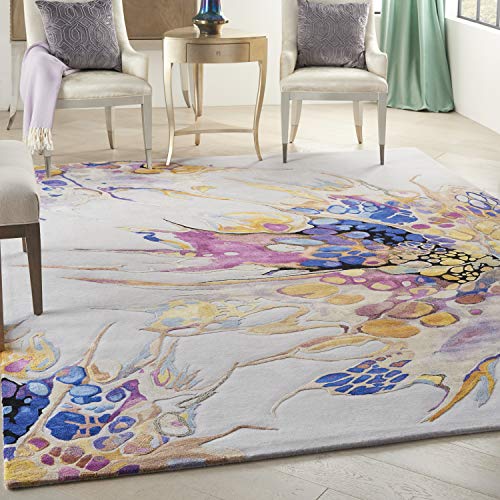


Commodity:Hand knotted wool silk rug;Size:8 ft x 10 ft (244 cm x 305 cm);Material:Wool&silk
Eco-Friendliness of Rug Fibers
When selecting rugs, eco-friendliness often plays an essential role in guiding choices, particularly concerning the materials used. Natural materials, such as wool and cotton, stand out for their bio-degradable properties, decomposing within one to five years without leaving harmful residues. This aligns with eco-friendly choices, promoting sustainability. In contrast, synthetic fibers, like nylon and polypropylene, pose environmental challenges, taking 20 to 200 years to break down, thereby increasing landfill waste. Wool is also a renewable resource, as sheep produce fleece annually, allowing for sustainable harvesting. Additionally, while some synthetic rugs utilize recycled materials to lower their ecological impact, they still require energy-intensive processes, resulting in a larger carbon footprint overall. Hence, natural rugs generally offer a greener alternative for mindful consumers. Hypoallergenic materials help in reducing allergy triggers, creating a healthier sleep environment.
Choosing the Right Rug for Your Home
Selecting the right rug for a home involves careful consideration of various factors, as the perfect rug can enhance both the aesthetics and comfort of a space. For instance, natural fiber rugs, such as wool, offer a luxurious feel and durability, making them suitable for low-traffic areas. Conversely, synthetic rugs like nylon excel in high-traffic households due to their maintenance requirements, which are generally easier. Additionally, hypoallergenic natural fibers may improve indoor air quality, beneficial for allergy sufferers. Evaluating cost versus longevity is also essential; while natural fibers may have a higher upfront cost, their long-lasting nature tends to yield better value over time. Finally, considering the environmental impact of each option will guarantee a responsible choice.
Frequently Asked Questions
What Is the Difference Between Natural and Synthetic Rugs?
Natural rugs, crafted from renewable fibers, offer durability and aesthetics but come at a higher cost. Conversely, synthetic rugs are more affordable, feature varied maintenance tips, and have different environmental impacts, though durability can vary considerably.
How Can You Tell the Difference Between Natural and Synthetic Fibers?
To distinguish fibers, one can utilize various fiber identification techniques, including burning tests comparison, visual texture cues, and water absorption methods, while also considering durability assessment features, cost analysis factors, and colorfastness evaluation methods for accurate results.
What Is the Disadvantage of Natural Fiber?
Natural fiber rugs face disadvantages such as lower durability, maintenance challenges, water resistance issues, and susceptibility to pests. Additionally, they often fade over time, incur higher costs, and may have notable environmental impact compared to synthetic alternatives.
What Is the Best Fiber for Rugs?
The best fiber for rugs depends on individual needs; wool offers superior durability and eco-friendliness, while cotton provides diverse textures. Proper cleaning techniques and maintenance tips can enhance longevity, but cost analysis is essential for budget considerations.


